All Animals

Animal Guide

South-Central Black Rhinoceros

5 destinations · 3 states

Native Range
Southern and southeastern Africa

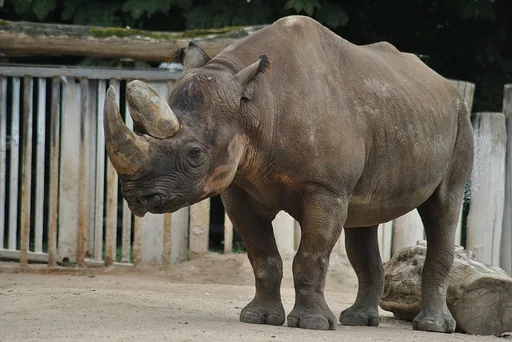
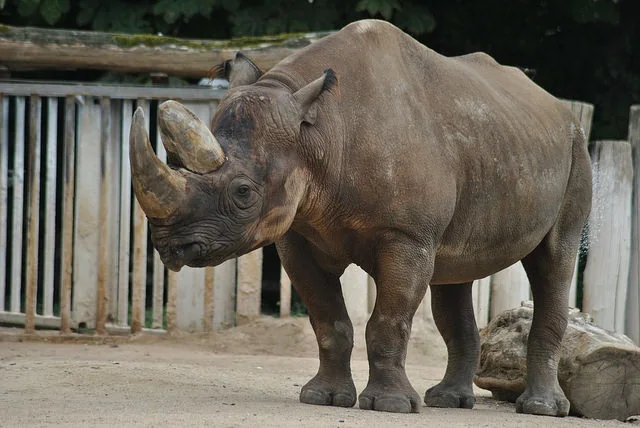
South-central black rhinoceroses are fascinating to watch at close range because their size can make their movements seem deceptively slow. Spend a few minutes observing one and the hooked upper lip becomes hard to miss. It works almost like a small finger, curling around leaves and twigs as the rhino browses through shrubs and branches. The two horns are obvious from a distance, but look for smaller details too. Large ears swivel independently toward sounds, while the rhino may pause to sniff the air before continuing to feed. At a zoo or wildlife destination, a black rhino can spend long stretches browsing quietly, then suddenly walk across the habitat with surprising purpose. They are mainly browsers rather than grazers, which helps explain why they often keep their heads raised among bushes instead of sweeping the ground for grass. Native to parts of southern and southeastern Africa, they are built for moving through dry woodland, scrub, and savanna.

South-Central Black Rhinoceros

Where to see South-Central Black Rhinoceros

5 destinations across 3 states

5 destinations
Your ZooHopper Passport

Turn your wildlife adventures into a Passport

Keep track of the zoos, aquariums, safari parks, and wildlife destinations you've visited—and save the places you want to explore next.

  • Remember every visit
  • Build your wishlist
  • Collect Passport Stamps
  • Share photos & contribute
Create Your Passport

Dan's Passport

Places
12
States
6
Wishlist
9

Passport stamps

Recently visited

  • Bronx ZooBronx, NY
  • Georgia AquariumAtlanta, GA
  • San Diego Zoo Safari ParkEscondido, CA

MY WISHLIST

Monterey Bay AquariumMonterey, CA