All Animals

Animal Guide

Atlantic Manta Ray

1 destination · 1 state

Native Range
Tropical and subtropical oceans worldwide

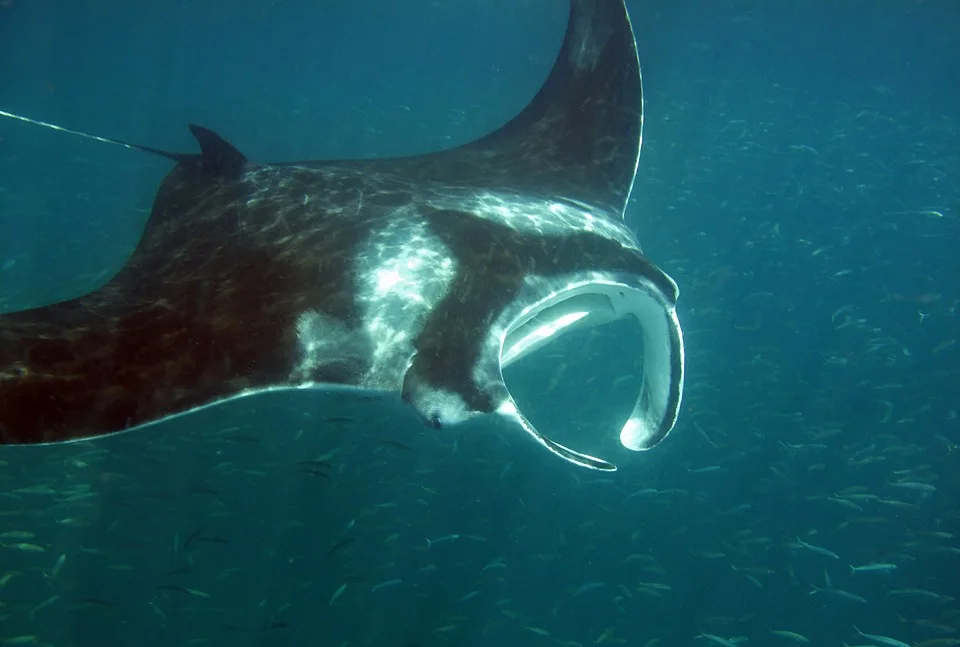
Atlantic manta rays have a graceful way of moving that can make a large aquarium tank feel almost weightless. Watch one approach the viewing glass and its broad fins seem to ripple from front to back, creating a slow, effortless glide. The cephalic fins beside the mouth are another detail worth noticing. Mantas can roll or curl them while feeding, helping direct water and plankton toward the mouth. Unlike stingrays, manta rays do not have a stinging barb, and their wide, flat bodies are built for cruising through open water rather than resting on the seafloor. At an aquarium, look for one banking into a turn or swimming overhead, where the dark back and pale underside create a striking contrast. Atlantic manta rays are found in warm ocean waters and can travel long distances in search of food. Their size can be surprising when one passes close by, especially when you realize how quietly such a large animal can move through the water.

Atlantic Manta Ray

Where to see Atlantic Manta Ray

1 destination across 1 state

1 destination
Your ZooHopper Passport

Turn your wildlife adventures into a Passport

Keep track of the zoos, aquariums, safari parks, and wildlife destinations you've visited—and save the places you want to explore next.

  • Remember every visit
  • Build your wishlist
  • Collect Passport Stamps
  • Share photos & contribute
Create Your Passport

Dan's Passport

Places
12
States
6
Wishlist
9

Passport stamps

Recently visited

  • Bronx ZooBronx, NY
  • Georgia AquariumAtlanta, GA
  • San Diego Zoo Safari ParkEscondido, CA

MY WISHLIST

Monterey Bay AquariumMonterey, CA